
Jump to a section on this page
Keeping your electrical installation and appliances safe:
This section of our website provides guidance on making sure your electrical appliances and devices are safe, along with details on the electrical safety checks we’ll carry out in your home.
Electrical safety do's:
- Always take care when using electrical items in your home such as hair straighteners, mobile heaters, and electric blankets.
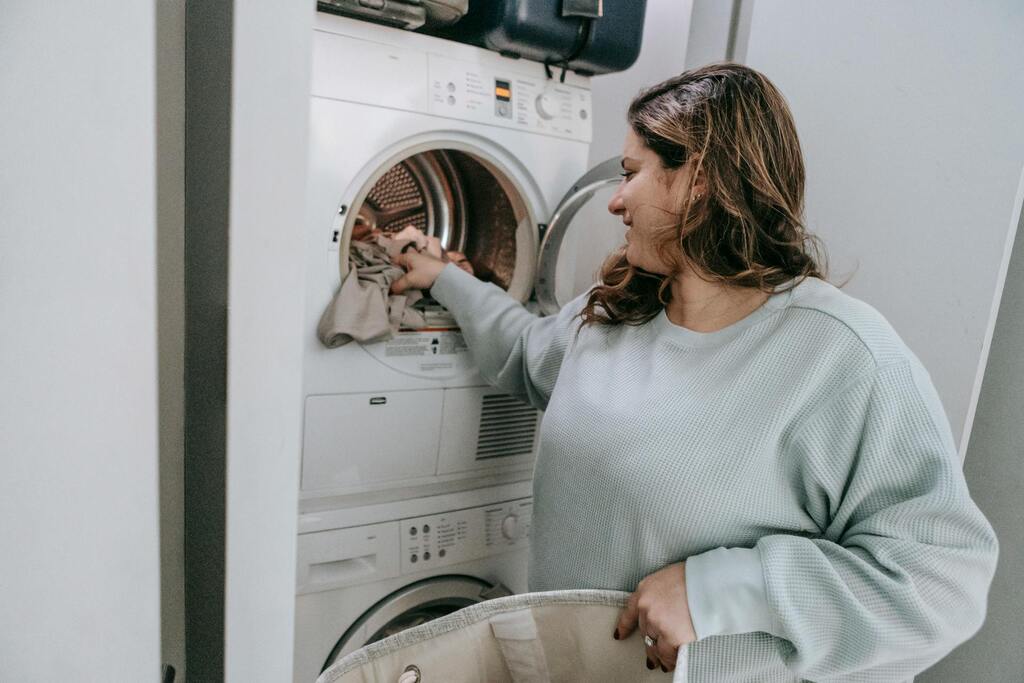
- Make sure all electric and white goods (such as fridge-freezers, washing machines, and dryers) are safe for use. See 'Check for recalls before purchasing white goods' below for more information.
- Always take care when using electrical items in your home such as hair straighteners, mobile heaters, and electric blankets.
- Only buy electrical appliances and chargers from a reputable source whose goods bear the British or European safety mark to avoid potentially dangerous fakes.
- Check your plug sockets, adaptors, and extension cables on a regular basis for any damage or burn marks. If you see burn marks on the sockets, or if they feel hot to the touch, please contact us to arrange an inspection.
- Check the electrical current rating of electrical adaptors before you plug appliances in. Make sure that the total current used does not exceed the adaptor’s rating.
- Switch off appliances at the socket when not in use.
- Switch off appliances when you go to bed or when you go out, unless they are designed to be left on (such as a fridge freezer).
- Keep electrical appliances clean and in good working order. Look out for fuses that blow, circuit-breakers that trip for no obvious reason, and flickering lights.
Electrical safety do's:
- Don't overload plug sockets or adaptors. An extension lead or adaptor will have a limit to how many amps it can take, so be careful not to overload them. Try to keep to one plug per socket and don’t link extension leads together. You should also make sure extension leads are fully unwound.
- Don't put electric heaters near curtains or furniture. Don’t dry clothes on them or cover the air vents on heaters.
- Don't trail flexible cables under carpets or rugs – you won’t be able to see any damage.
- Don't use electrical appliances near water and never touch electrical appliances with wet hands.
- Don't use water on an electrical fire. Pull the plug out or switch the power off if it is safe to do so. Call the Fire Service as soon as you can.
- Don't tamper with your meter. Tampering with and/or wiring your meter(s) in an attempt to save money significantly increases the risk of an electrical fire. This not only puts your own life in danger, but your family’s, neighbours’, and your/their children’s lives, too.
Learn more about our electrical safety checks in your home:
As your landlord, we have a legal duty to ensure that the wiring in your home and any equipment owned by us is safe. You’re responsible for any electrical equipment you’ve brought into your home and how you use it.
UK Government regulations mean that we and other housing providers are required to inspect and test electrical installations in our properties at least every five years.
It’s a condition of your tenancy agreement that you allow access for these essential electrical safety checks to take place.
Check for recalls before purchasing white goods:
We’d recommend you visit the government’s website to check for the latest updates on any manufacturer product recalls before purchasing any white goods (such as washing machines, dryers, fridge freezers, etc.). You can tap here to access the ‘Product Recalls and Alerts’ page on the gov.uk website.
Manufacturers may need to recall items if it has been identified that they may cause a serious fire risk and/or safety risk. Manufacturers notify the Department for Business, Energy and Industrial Strategy of a product that has been recalled because of a safety risk. The government’s website provides information on:
- The type of product.
- The manufacturer.
- The reason for its recall.
- What you need to do if you own this product.
Meter tampering: know the risks
Tampering with and/or wiring your meter(s) in an attempt to save money significantly increases the risk of an electrical fire. This not only puts your own life in danger, but your family’s, neighbours’, and your/their children’s lives, too.
Some of the risks of tampering with your meter include:
- Shocks and severe burns: attempting to reconfigure the wiring on your meter(s) could make switches or appliances ‘live’ to the touch or make them overheat/malfunction. This greatly increases the risk of shocks and severe burns, especially for anyone using connected electrical appliances.
- Fires: wires with loose connections can get so hot that they start fires. Damaging the gas supply also risks dangerous leaks which can be easily ignited.
- Explosions: if large amounts of gas escape from a tampered meter, it can build up throughout the property and has the potential to cause a devastating explosion.
It’s a fact that 40% of house fires are caused by electrical appliances and supply, so it’s important to stay safe.
Under no circumstances should you tamper with the utility meter(s) in your home. If you believe there’s a fault or problem with your meter(s), please report this immediately to your utility supplier.
Due to rising living costs, we understand that the current economic/financial situation may prove to be a worrying one for many. You can tap here to visit the dedicated ‘Advice & support’ section of our website for help with rising living costs and more.
If you think a friend, family member, or neighbour is struggling to pay their bills and is considering tampering with their meter or may have already done so, please let us know by calling 01204 328000. We”ll work to make their meter(s) safe and look at ways to support them if they’re struggling with their finances.
If you think something’s not quite right, report it. You’ll be helping to keep your friends, neighbours, family members, and your/their children safe.
You can also tap here to anonymously report suspicions of energy theft 24/7, 365 days a year on the Stay Energy Safe website.
Want to ask a question or report a safety concern?
We’re here to help – just call 01204 328000.