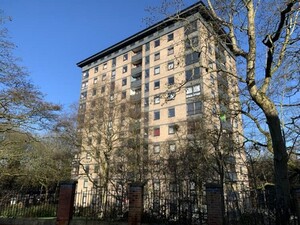
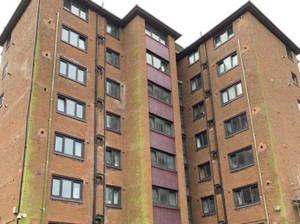
Living in a flat doesn’t mean you’re more at risk from fire, but it does mean you need to consider your fire safety and the impact a fire in your home could have on other residents.
Flats have been designed with fire safety as a priority. The doors, walls, and floors are all designed to stop fire and smoke from spreading to other areas of the building. This relies on the doors being kept shut and not left open and any balconies being clutter-free.
It’s important for your own safety to understand what to do in the event of a fire, whether it’s in your flat or somewhere else in the building.
If there’s a fire in your home, the flames and smoke will be kept in the space where the fire starts for some time – as long as the doors are kept closed.
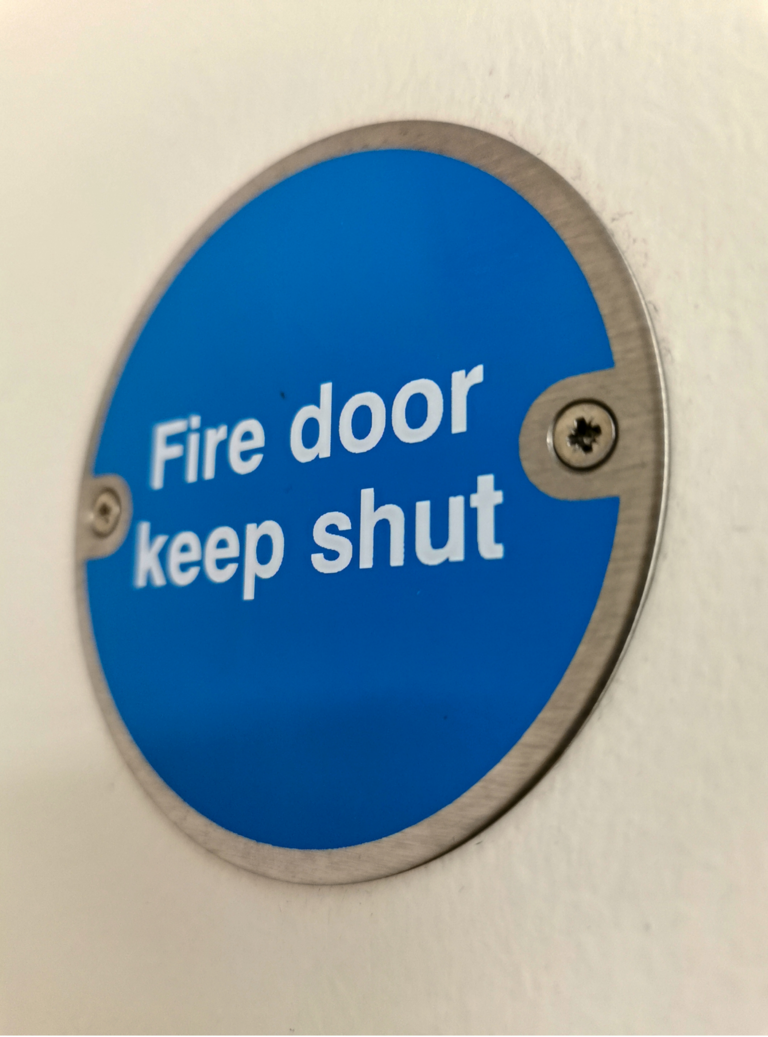
Fire doors are crucial for your safety:
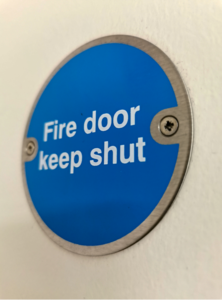
A fire door provides protection to the room or corridor behind, so it’s important that they’re kept closed unless they’re fitted with an approved hold-open device.
Don’t prop fire doors open in your property or in communal areas. By doing so, you’ll be putting others at risk.
You should never carry out any alterations to your flat front door as this may reduce the protection it gives.
We’ve installed self-closing devices on all flat front doors and fire doors. These are a requirement of fire safety regulations. If the door closer isn’t working, or if you feel it needs to be adjusted, please contact us to arrange an inspection and repair.
We carry out regular inspections of your fire doors in line with the Fire Safety (England) Regulations 2022. This means that every year, we’ll carry out a two-sided inspection of your flat entrance front door.
As your landlord, we have a legal duty to provide and fit smoke detectors in your home.
One smoke alarm must be installed in each storey of the home, and we’ll check and service these smoke alarms in line with your yearly gas service. It’s a requirement of your tenancy agreement that you allow access for this visit to keep you and your home safe.
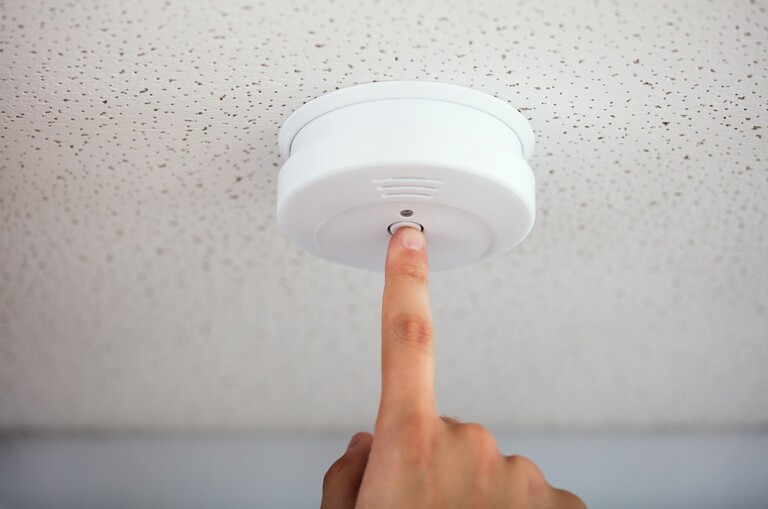
A working smoke alarm could save your life in a fire – so make sure you test it once a month. If your alarm starts to bleep on a regular basis, it may have developed a fault or simply need new batteries.
Never disconnect or take the batteries out of your smoke alarm unless for the purpose of renewing batteries. Please contact us if you suspect a fault.
Make sure you test your smoke alarms once a month. They can only save lives if they're working.
For independent fire safety advice on smoke detectors, contact:
Greater Manchester Fire and Rescue Service on 0161 736 5866.
Or, for a free Home Safety Check, call Greater Manchester Fire and Rescue Service on 0800 555 815.
If you don't have a smoke alarm/detector:
Please contact us on 01204 328000 and we’ll arrange to have one installed.
How to reduce the risk of fire in your flat:
Remember these important fire safety ‘dos’ and ‘don’ts’ to reduce the risk of a fire starting and spreading in your home:
Fire safety do's:
Close internal doors at night, especially the doors to the lounge and kitchen. If there’s a fire in your home, the flames and smoke will be kept in the space where the fire starts for some time.
Keep your exit route clear and your keys in an accessible place.
Keep lighters and matches out of the sight and reach of children.
Turn off all electrical items not designed to stay on for long periods.
Always use the correct type of plug on your appliances and don’t overload plug sockets or extension leads.
Take extra care if you smoke when you’re tired, taking prescription drugs, or if you’ve been drinking.
Fire safety don'ts:
Don’t store gas, petrol, diesel, or any items containing these fuels inside your property.
Don’t leave candles burning or food cooking unattended.
Don’t smoke in bed and always dispose of cigarette ends carefully.
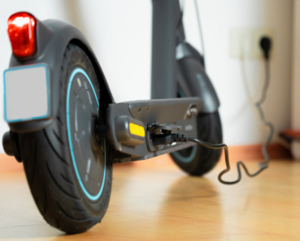
Don’t leave vaping devices charging unattended and make sure batteries are suitable for the device you’re using.
Don't leave children alone. Even if they’re only visiting, don’t leave them on their own in areas where heaters or cookers are being used, and keep matches and lighters out of reach.
In the event of a fire, all lifts should be non-operational. Never use the lift when evacuating the building. The fire may cause a power failure, trapping you inside.
Never block emergency access to your building. In the event of a fire, the Fire Service will need to get as close as possible to the entrance.
Fire safety when cooking:
Kitchen fires are one of the most common causes of domestic fires and can easily take hold if food is left unattended. Follow these steps to reduce the risk of an injury or fire from cooking.
Take extra care if you have food cooking and need to leave the kitchen: always take pans off the heat or turn them down to avoid the risk.
Take care if you’re wearing loose clothing - they can easily catch fire. You should also keep tea towels and cloths away from the cooker and hob.
Use spark devices to light cookers – they’re safer than matches or lighters because they don’t have a naked flame.
Double check that the cooker is off when you’ve finished cooking.
Keep the oven, hob, and grill clean and in good working order – a build-up of fat and grease can increase the risk of a fire.
Don’t put anything metal in a microwave – it can spark and cause a fire.
Take care when cooking with hot oil - it sets alight easily.
Use a thermostat controlled electric deep fat fryer – they can’t overheat.
Never throw water over a chip-pan fire. If cooking oil starts to smoke, it’s too hot. Turn off the heat and leave it to cool.
If you smoke:
We advise against using refillable lighters, as they can leak or flare unexpectedly and pose a significant fire hazard. Please consider safer, non‑refillable alternatives.
Don’t smoke in bed. This is one of the most common causes of fire in the home. Always finish your cigarette or pipe before you go into the bedroom and make sure that you’ve put it out properly.
Bedtime checks:
Switch off and unplug all electrical appliances that don’t need to be left on and close all windows and doors to prevent the spread of fire.
Fire safety planning:
Take time now to think about how you’d escape and where the doors to the exit route are. It’s important that all escape routes inside your home are always kept clear of obstructions.
There shouldn’t be any chairs, plant pots, mats, or similar items in the area that would be a trip hazard.
Think about how you use your home and what it’d be like if the rooms were filled with smoke.
What should I do in the case of a fire? Should I stay in my flat, or get out?
Our properties usually operate a stay safe policy (also known as a stay put policy). This means that unless the fire is in your flat or a direct neighbour’s flat, you should stay in the flat. If there’s a need to evacuate, the Fire Service will supervise this.
If there’s a fire within your building, keep your front door and windows closed. The Fire Service will knock on your door if they need you to evacuate.
You are, however, free to leave at any time if you’re worried. Close the doors behind you.
If you discover a fire in your flat:
Leave your flat and allow the door to close behind you.
Leave the building by the nearest fire exit route.
When safe, call 999 and report the fire, giving the address and your flat number.
Don’t return to your flat until you’ve been told it’s safe by the Fire Service.
If you're in your flat and suspect there's a fire somewhere else in the building:
Our stay safe policy applies:
Shut all your doors and windows.
If you’re in your flat, stay safe and remain in the flat until the Fire Service tells you to leave. You can leave if you feel unsafe, or if your home is affected by heat or smoke.
Call 999 to report the fire.
If you suspect a fire and you're elsewhere in the building (such as the corridor or staircase):
Leave the building by the nearest fire exit route.
If it’s safe, call 999 and report the fire, giving the address and the location where you believe the fire has started.
Do not return to your flat until you’ve been told it’s safe by the Fire Service.
If you're told to evacuate:
Leave the building by the nearest emergency exit route using the STAIRs.
Let the Fire Service know immediately if someone hasn’t been able to leave your flat.
Do not not use the lift or run.
If for any reason the Fire Risk Assessment for your building states that the stay safe policy isn’t applicable, we’ll notify you of the evacuation policy in place and a poster with this advice will be displayed in the noticeboard at the entrance of your building.
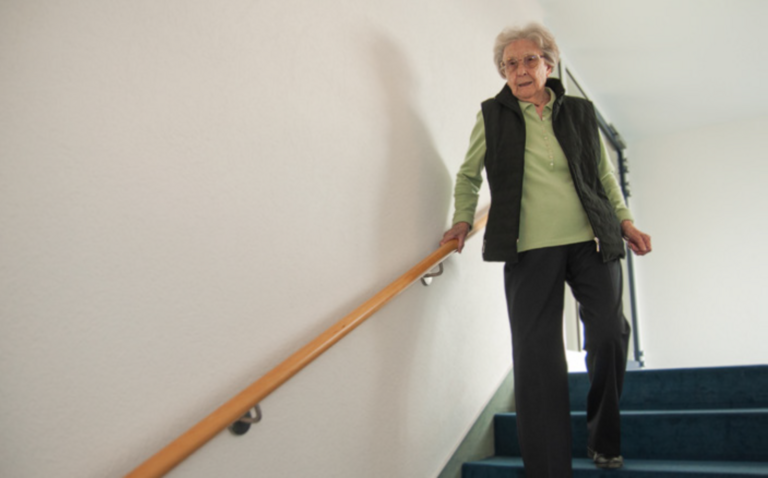
What if I can't manage stairs?
If the fire is in your flat and you’re unable to use the stairs, you should alert your neighbours and stay in another flat if possible, with the door closed until the Fire Service advise you otherwise.
If you’re unable to do this, make your way to the nearest staircase and await advice from the Fire Service.
Inform the Fire Service where you are if possible. You could also do this via the concierge service if you have this facility in your flat.
Reducing the risk of fire in communal areas, landings, lobbies, and storage areas:
Items in communal areas and rubbish stored in homes pose some of the biggest fire risks. All communal areas, landings, lobbies, and storage areas must be free of any items and obstructions.
Please let us know if you'd need help to evacuate in the event of a fire:
If you’d need help to evacuate in the event of a fire, you must tell us. This could be because of a disability, a sensory impairment, or if you have reduced mobility.
Please tell us by calling 01204 328000.
More fire safety advice on the Greater Manchester Fire and Rescue Service (GMFRS) website:
Greater Manchester Fire and Rescue Service offer free Home Fire Safety Assessments:
Colleagues from Greater Manchester Fire and Rescue Service may be able to visit your home and provide fire safety advice and equipment, depending on risk.